Material Innovation
Grown, pressed,then perfected.
01
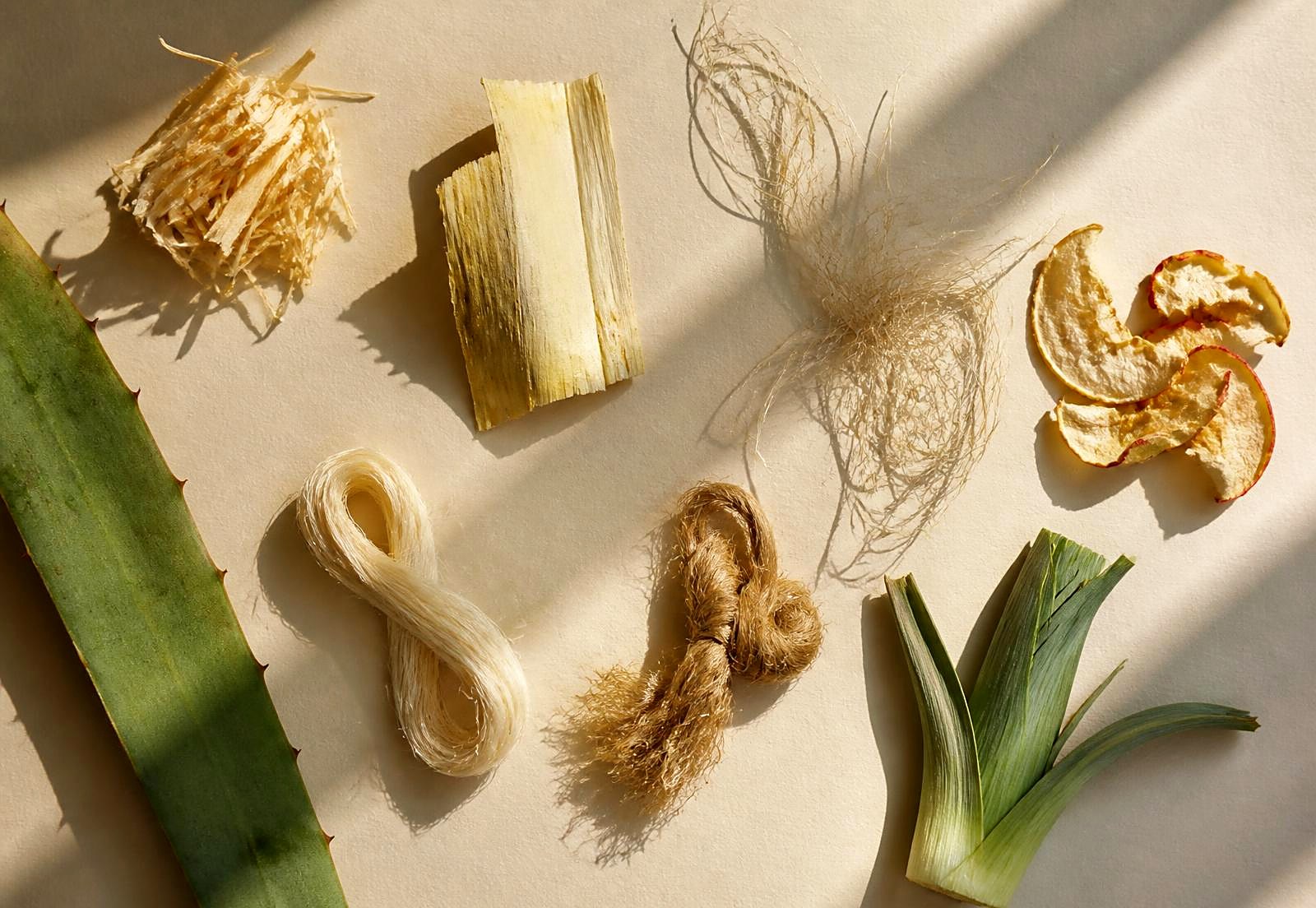
Cactus
Nopal pad
Mexico
02
Apple
Fruit skin
Alto Adige
03
Grape
Wine marc
Piedmont
04
Flax
Bast fibre
Normandy
The Comparison
Plant-based leather vs. animal leather
| Criterion | Animal Leather | BATWA |
|---|---|---|
| Raw Material | Animal hide, a by-product of livestock | Cactus, apple, grape marc, flax |
| Origin | Animal-derived | Entirely plant-derived |
| Carbon Footprint | Higher; linked to livestock systems | Substantially lower per m² |
| Water Consumption | High in rearing and tanning | Low; minimal process water |
| Chemical Usage | Chrome or vegetable tanning required | Chrome-free, REACH-compliant finishing |
| Weight | Denser; heavier in large formats | 20–30% lighter at equal thickness |
| Durability | Excellent; ages over decades | Excellent; engineered abrasion resistance |
| Flexibility | Softens naturally with use | Consistent hand from first day |
| Luxury Appearance | Classic depth and patina | Deep, even pigment; uniform grain |
| Odour | Characteristic natural scent | Neutral |
| Maintenance | Conditioning recommended | Wipe clean; no conditioning required |
| Innovation | Heritage craft, refined over centuries | Actively advancing each season |
| Sustainability | Depends on supply chain | By-product feedstock, low-impact process |
| Circular Economy | Biodegradable, limited recovery | Designed for recovery and reprocessing |
| Consumer Preference | Established and enduring | Fastest-growing in premium categories |
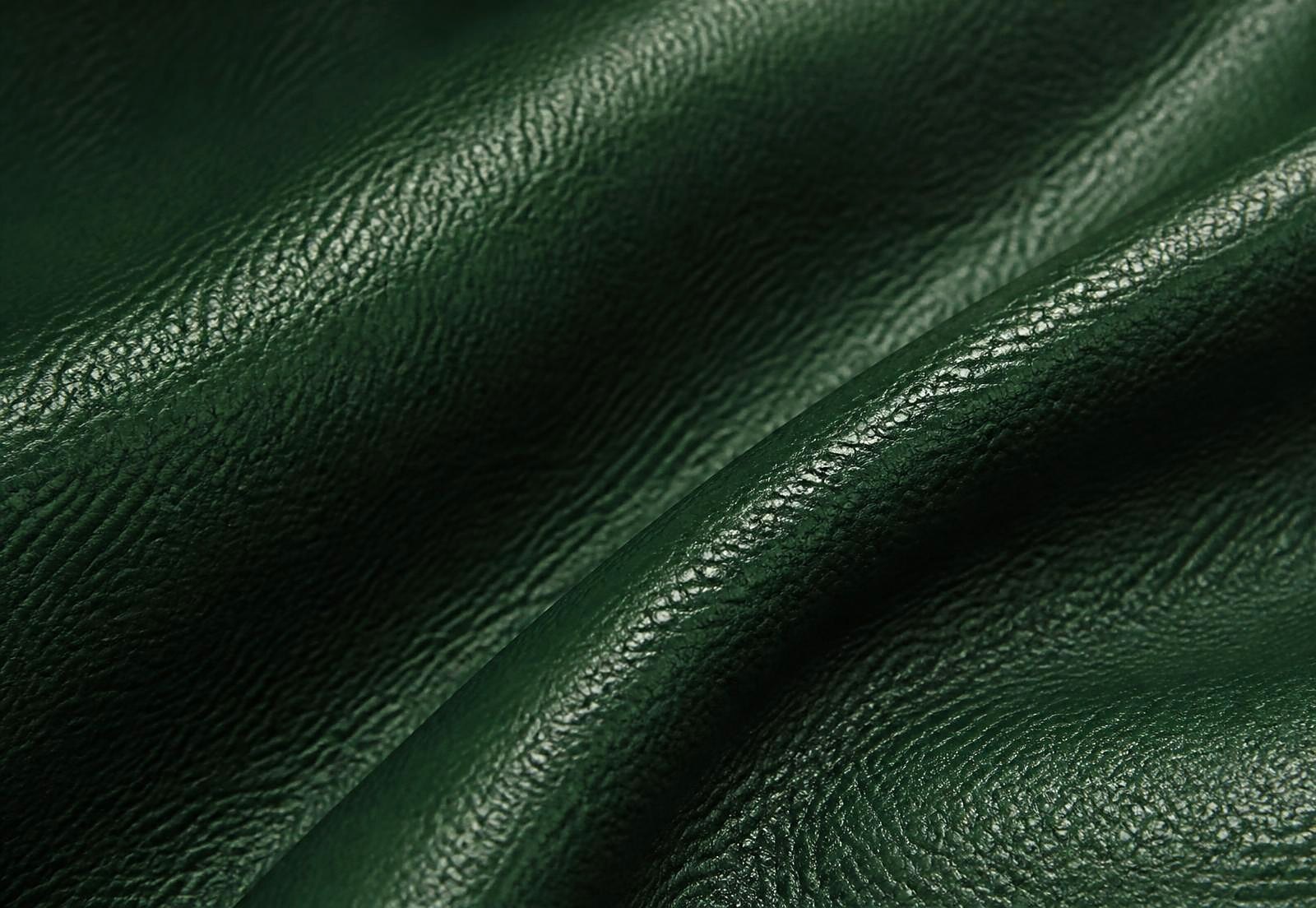
A grain that behaves the same on day one and year ten.
Animal hide softens and patinas; that is its charm and its unpredictability. Our grain is engineered to a fixed hand-feel, so a bag delivered to Milan and one delivered to Dubai present identically — and stay that way through heat, humidity and daily use.
Our nine standards